

Pathway to Becoming a Skilled Tree Surgeon: Essential Steps to Get Started

Becoming a tree surgeon offers a rewarding career for anyone who enjoys working outdoors, caring for nature, and developing specialist technical skills. Tree surgery blends physical work with knowledge of tree biology, safety, and equipment. If you’re wondering how to become a tree surgeon in the UK, this guide explains the routes you can take -including fast-track training and apprenticeships.

Understand What a Tree Surgeon Does
Tree surgeons (arborists) are responsible for maintaining, caring for, and safely working on trees in both urban and rural environments. Their duties include:
Pruning and shaping trees
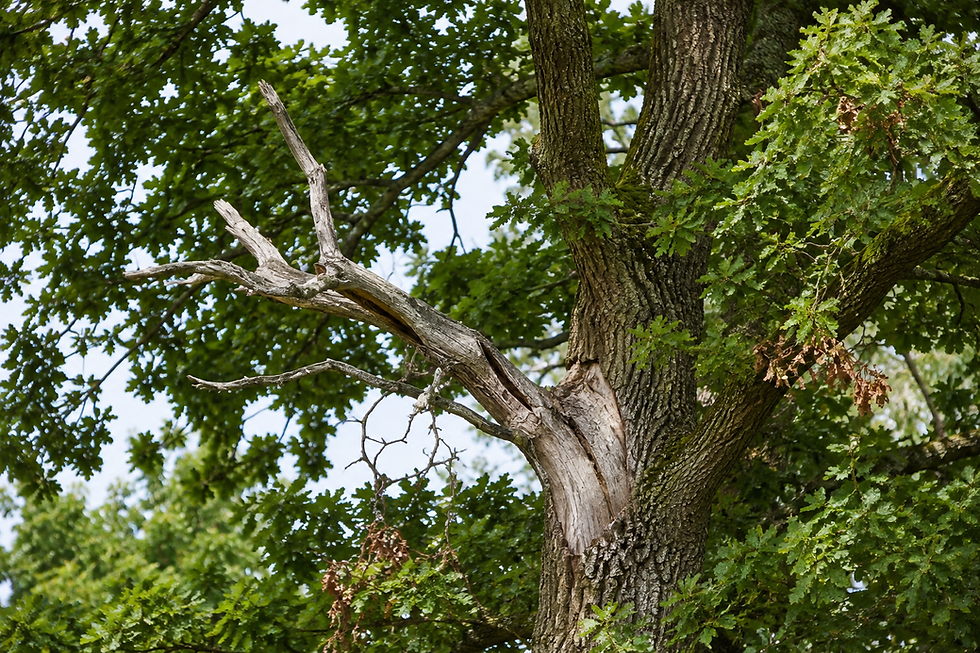
Removing dead, damaged, or dangerous branches
Tree felling and sectional dismantling
Planting and tree health assessments
Diagnosing pests, diseases, and structural issues
Tree surgeons use specialised tools such as chainsaws, ropes, harnesses, and lowering equipment. The job requires physical fitness, good balance, and strong safety awareness. Arborists may work for local councils, private tree surgery companies, utilities, or run their own businesses.
Gain Basic Qualifications and Experience
Most people start with basic experience or introductory training:
Work Experience:Volunteering with a tree surgery company, conservation group, or landscaping organisation gives you hands-on exposure and helps you understand safe working practices.
Basic Education: GCSEs (or equivalent) are usually expected. Subjects like biology, environmental science, and PE are especially helpful.
Introductory Courses:Short beginner courses in arboriculture or horticulture cover essentials like tree ID, basic pruning, and safe tool use. Many colleges across the UK offer entry-level certificates or short practical courses.
Choose Your Training Route: Apprenticeship or Fast-Track Course
1. Arborist Apprenticeship (Most Common for Beginners)
A Level 2 Arborist Apprenticeship is a popular way to enter the industry. It includes:
Paid on-the-job training with a tree surgery company
Weekly or monthly sessions at a training provider or college
Fully funded training (no course fees)
Completion of essential NPTC/LANTRA units, including chainsaw and climbing certificates
Apprenticeships typically last 18–24 months and are suitable for beginners of any age (not just under 18s).
2. Fast-Track Tree Surgery Courses (Quick Entry Route)
Fast-track or intensive courses are ideal for people wanting to retrain quickly. These courses usually include:
NPTC/LANTRA chainsaw qualifications (CS30/31, now known as 201/202/203)
Climbing and aerial rescue (CS38 / 206/306)
Aerial cutting and rigging (CS39 / 308)
Ground-based training and safety modules
Fast-track programmes typically take 4–12 weeks depending on level, and prepare you for entry-level roles such as ground worker or trainee climber.
You don’t need a college diploma to work in the industry—the essential requirement is approved chainsaw, climbing, and safety qualifications.
Complete Professional Qualifications
As you progress, higher arboricultural qualifications can strengthen your knowledge and improve career prospects:
Level 2 Certificate in Arboriculture – Ideal for beginners
Level 3 Diploma in Arboriculture – Covers tree inspection, legislation, and advanced knowledge
Professional development courses in rigging, aerial rescue, surveying, etc.
These are offered by colleges and specialist training centres across the UK.
Develop Physical Fitness and Safety Awareness
Tree surgery is physically demanding and involves working at height, lifting heavy equipment, and operating power tools. Good strength, flexibility, balance, and stamina are important.
Safety remains the top priority. Tree surgeons must:
Wear correct PPE (helmet, chainsaw trousers, gloves, eye/ear protection)
Follow climbing and cutting procedures
Identify hazards such as unstable limbs, decay, and nearby cables
Maintain equipment correctly
Ongoing safety training is essential throughout your career.
Gain Practical Experience in the Industry
Once qualified, beginners typically start in roles such as:
Ground crew
Trainee climber
Junior arborist
These jobs help you learn rigging techniques, safe equipment setups, chipper operation, and how to support the climbing team. Working with experienced arborists allows you to build confidence and progress to more advanced climbing work.
Build Knowledge of Tree Biology and Environmental Impact
Understanding how trees grow and respond to pruning helps you make informed decisions. Key knowledge areas include:
Tree species and characteristics
Pests and diseases
Soil and root health
Legislation (TPOs, conservation areas)
Urban tree ecosystems and environmental benefits
This knowledge improves your quality of work and helps you advise clients properly.
Keep Learning and Stay Updated
The arboriculture industry is constantly evolving. Joining professional bodies such as:
Arboricultural Association
International Society of Arboriculture (ISA)
Helps you stay current with new techniques, legislation changes, and training opportunities.


Comments